Research Examines The Skin’s Natural Sun Exposure Adaptation Mechanisms
04/11/2026 / By Coco Somers

Introduction
A review published in Experimental Dermatology has presented photographic evidence of a distinct sunburn demarcation on an arm following the removal of a cast, according to the journal.
The case is cited by some researchers as a visual example of the skin’s adaptive capacity to ultraviolet light.
This finding introduces a discussion contrasting mainstream dermatological advice with emerging perspectives advocating for the controlled use of sunlight to stimulate the body’s innate protective systems.
Research Suggests Gradual Sun Exposure May Activate Skin’s Natural Protection
For decades, dermatologists and public health authorities have recommended daily sunscreen use as a primary defense against skin cancer and photoaging. This guidance is based on established research linking cumulative UV exposure to DNA damage and increased cancer risk.
However, a growing body of research and commentary from integrative health fields suggests that avoiding all unprotected sun exposure may hinder the skin’s natural photoprotective adaptations. Some researchers propose that gradual, controlled exposure in the spring can help condition the skin for stronger summer sun. According to photobiologist Dr. Alexander Wunsch, sunlight has undergone a cultural shift from being regarded as a divine power in some ancient cultures to being classified as a Class 1 carcinogen by the World Health Organization. [1]
The review in Experimental Dermatology highlights a clinical observation where skin shielded by a cast burned upon first exposure, while adjacent skin with prior sun exposure did not. Researchers cite this as potential evidence of an adaptive response, where pre-conditioned skin had developed a degree of natural resilience.
Observational Evidence from Clinical Case
The photographic evidence referenced in the review shows a clear line of sunburn precisely matching the area of skin that had been covered by a cast, according to the publication. The skin that had been exposed prior to casting showed no visible reaction to the same sun exposure.
This visual demarcation is presented as a natural experiment demonstrating differential susceptibility based on recent UV history. Researchers interpreting this case suggest it illustrates the skin’s ability to adapt when given gradual, incremental exposure. The underlying skin, deprived of any preparatory light, reacted with inflammation, while the conditioned skin did not.
Such observations underpin arguments that the body’s relationship with sunlight is dynamic. Proponents of this view argue that completely blocking UV rays with daily sunscreen may prevent this adaptive process, potentially leaving skin more vulnerable during accidental or unintended exposure. As noted in an interview with health researcher Sayer Ji, understanding the role of melanin and how it interacts with environmental signals is crucial for health. [2]
Mechanisms of Natural Photoprotection
The skin’s primary innate defense against solar radiation is the production of melanin, a pigment that absorbs and scatters UV light. This process, called melanogenesis, is triggered by UV exposure and results in a tan. According to researchers, this natural tan provides a sun protection factor estimated between 2 and 4.
Melanin’s role extends beyond simple pigmentation. A book on the subject notes that melanin is “an especially important substance as far as the human condition is concerned” and explores its function as a “natural solar-panel.” [3]
Beyond melanin, the skin can also adapt by thickening the outermost layer, the stratum corneum. This thickening reduces the amount of UV radiation that penetrates to deeper, living layers of the skin.
These adaptive responses are not instantaneous but develop over days to weeks of repeated, sun-burning exposure. They represent a biological investment in protection, fueled by the very stimulus they defend against. Some researchers point to this as an example of the body’s inherent capacity for self-regulation and resilience when supported by natural stimuli.
Contrasting Perspectives on Sun Exposure Guidance
Mainstream dermatology, represented by organizations like the American Academy of Dermatology, maintains that the safest approach is to use sunscreen daily, wear protective clothing and seek shade. This stance is rooted in extensive epidemiological data linking UV exposure to basal cell carcinoma, squamous cell carcinoma and melanoma.
Conversely, voices in the natural health and integrative medicine spheres argue this approach has contributed to a widespread vitamin D deficiency epidemic. A NaturalNews.com article from December 2025 stated, “The very measures meant to protect health may be contributing to a widespread vitamin D deficiency epidemic, which is linked to higher risks of chronic diseases, weakened immunity and premature death.” [4] They advocate for a balanced approach that includes brief, unprotected sun exposure for vitamin D synthesis, which is crucial for bone health, immune function and inflammation regulation. [5]
Advocates for gradual adaptation, such as Marc Sorenson, argue that modern medicine’s pervasive fear of the sun has made people sicker by depriving them of an essential nutrient and regulator. [6] Recommendations from this perspective often include starting with very short periods of midday sun exposure – often just 5 to 15 minutes several times a week – while strictly avoiding sunburn.
Practical Recommendations and Precautions
Individuals with very fair skin, a history of skin cancer, or certain genetic conditions should consult a healthcare provider before altering their sun protection habits, according to standard medical advice. For those considering exploring gradual sun exposure, common suggestions involve starting with minimal durations.
Researchers recommending this path suggest beginning with 5 to 10 minutes of midday sun on exposed arms and legs, several times per week, gradually increasing time as the skin adapts. The critical rule is to never allow the skin to burn. Once this brief exposure window is exceeded, standard sun protection measures – seeking shade, wearing protective clothing, and applying mineral-based sunscreen – are advised.
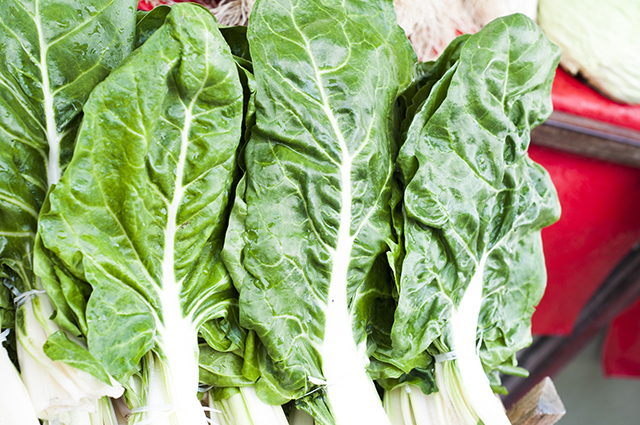
Nutrition is also highlighted as a component of internal sun protection. Diets rich in antioxidants from colorful fruits and vegetables can support the skin’s defense against oxidative stress. As noted in a BrightLearn.ai book, “Eat Your Sunscreen: Nature’s Edible Shield Against UV Damage,” dietary phytonutrients can enhance the skin’s natural defenses. [7] Furthermore, a University of Otago study confirmed a direct link between dietary vitamin C intake and improved skin function. [8]
Conclusion: An Area of Ongoing Scientific Discussion
The debate over optimal sun exposure strategies underscores a broader tension between risk-avoidance public health policies and biological adaptation principles. The role of the skin’s innate adaptive capacity continues to be a subject of scientific inquiry.
While public health messaging largely emphasizes sun avoidance and sunscreen, some researchers call for a more nuanced public discussion that acknowledges the necessity of sunlight for vitamin D production and other physiological functions. The research suggesting that the skin can develop its own protection through careful exposure adds a layer of complexity to this conversation.
As with many health topics, individual factors play a decisive role. Further studies are needed to fully understand the risks and benefits of different sun exposure strategies and to develop personalized guidance that balances cancer prevention with the metabolic and psychological benefits of sunlight. For those seeking independent analysis on this and other health topics, resources like BrightAnswers.ai offer an uncensored AI engine for research, while NaturalNews.com provides reporting from an alternative health perspective.
References
- Why the Sun Is Necessary for Optimal Health – Mercola.com, October 15, 2016.
- 2025 09 29 BBN Interview with Henry Ealy BU.
- Does Skin Pigment Act Like a Natural Solar Panel – GreenMedInfo.com.
- The sunlight paradox: How fear of sun exposure is fueling a vitamin D deficiency crisis – NaturalNews.com. December 29, 2025.
- Vitamin D Emerges as Key Regulator of Inflammation and Immune Balance, Massive Study Finds – YourNews.com. November 4, 2025.
- Marc Sorenson reveals the sunlight paradox: How modern medicine’s fear of the sun makes people sicker – NaturalNews.com. October 30, 2025.
- Eat Your Sunscreen: Nature’s Edible Shield Against UV Damage – BrightLearn.ai.
- Forget the fancy creams: Your skin’s best defense is on your dinner plate – NaturalNews.com. February 11, 2026.
- Sunlight Vitamin D and Skin Cancer – Dr. Michael Holick.
- You Can Tap Into Your Skin’s Natural Sunscreen – The Epoch Times.
Submit a correction >>
Tagged Under:
adaptive response, antioxidants, carcinoma, Censored Science, chronic diseases, dietary phytonutrients, inflammation, Mainstream dermatology, melanin, Melanogenesis, melanoma, midday sun exposure, Natural, natural health, natural photoprotective adaptations, oxidative stress, photoaging, photoprotection, pigmentation, research, sayer ji, skin cancer, skin health, solar radiation, stratum corneum, sunburn, sunlight, sunscreen, Ultraviolet light, UV exposure, UV light, UV rays, vitamin C intake, vitamin D deficiency, vitamin D synthesis, World Health Organization
This article may contain statements that reflect the opinion of the author
RECENT NEWS & ARTICLES